Learn Spanish · Español 🇪🇸
Learn Spanish by reading stories, not flashcards
Graded Spanish stories that start at your level. Tap any word for an instant translation and watch your vocabulary grow as you read.

This is the real Spanish reader — tap a word, hover a sentence, press play.
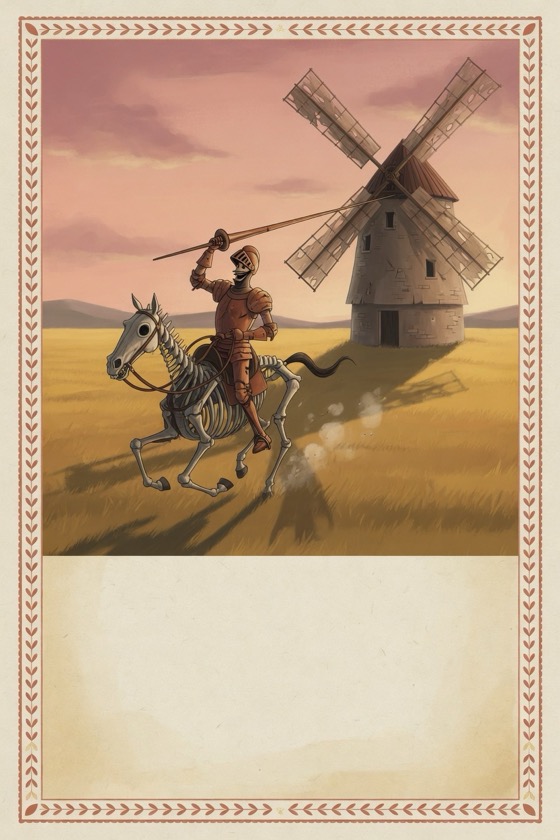
The Spanish library
La casa en la colina
The Spanish library is live, built on the same graded-ladder method as our Georgian catalog. The first book is free — no card, no account needed to start reading.
Free Spanish resources
Start right now — no download needed.
 Rinrín Renacuajo y otros cuentosRinrín the Tadpole and Other Tales · Pro
 Cuentos de la selvaJungle Tales · ProDon QuijoteDon QuijoteDon Quixote · Free
 El ZarcoEl Zarco · Pro
 Fábulas de SamaniegoSamaniego's Fables · Pro
 La gitanillaThe Little Romani Girl · Pro
 Sherlock Holmes: cuatro misteriosSherlock Holmes: Four Mysteries · Pro
 La isla del tesoroTreasure Island · Pro
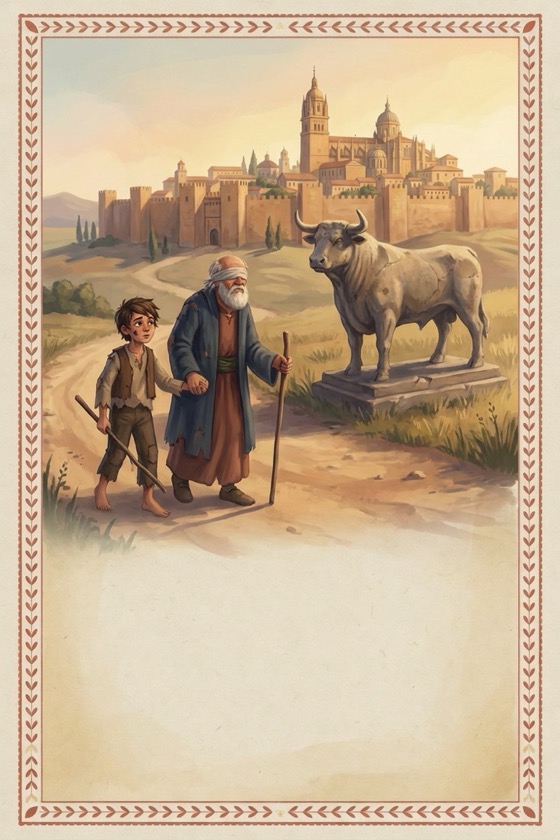 Lazarillo de TormesLazarillo de TormesThe Life of Lazarillo de Tormes · Pro
 Leyendas de BécquerBécquer's Legends · Pro
 MaríaMaría · Pro
 MarianelaMarianela · Pro
 Los músicos de BremenThe Bremen Town Musicians · Pro
 El pájaro verdeThe Green Bird · Pro
 El patito feoThe Ugly Duckling · Pro
 Pepita JiménezPepita Jiménez · Pro
 El Periquillo SarnientoThe Mangy Parrot · Pro
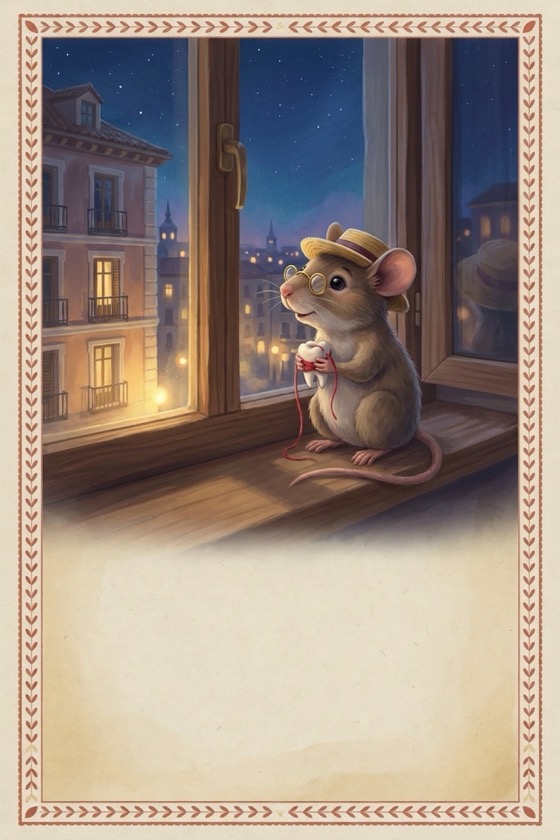 Ratón PérezRatón PérezPérez the Mouse · Pro
 El sombrero de tres picosThe Three-Cornered Hat · Pro
How it works
Reading is the method.
No drills, no streak guilt, no cartoon owl. You read real stories, and the app quietly removes everything that used to make that hard.
Tap any word
An instant gloss with romanization for every script — no dictionary detour, no losing your place in the story.
Tap a sentence
See the full translation only when you want it. Understanding stays a choice, not a crutch.
Watch your words add up
Every word you meet is counted. Once you've read it three times without tapping, it's yours — an honest “words known” number that grows chapter by chapter.
How long does it take?
How long does it take to learn Spanish?
The US Foreign Service Institute puts Spanish in Category I: 30 weeks, 552–690 class hours, for English-speaking diplomats in full-time classes aiming at professional working proficiency. FSI students also put in hours of self-study each week, so read these as figures for a professional level. At one hour a day on your own, 552–690 hours is about 1.5–1.9 years; reading graded books comfortably comes much earlier.
What takes the time in Spanish
Spelling and pronunciation are regular, and cognates make early texts friendly. The time goes into verbs — many tenses, irregular forms and the subjunctive — and into listening to fast native speech, which reading alone won't train.
A reading timeline you can measure
Don Quixote runs A1–B1 over 48 chapters and about 12,057 words (1,389 different word forms) — around 251 words a chapter. At a slow, careful 50 words a minute that is about 5 minutes a day for a chapter a day, and 7 weeks for the whole book.
| Part of the book | Chapters | Avg. sentence (words) | New word forms per chapter | Word forms met so far |
|---|---|---|---|---|
| Beginning | 1–16 | 6.3 | 30 | 475 |
| Middle | 17–32 | 7.5 | 25 | 874 |
| End | 33–48 | 8.9 | 29 | 1,333 |
Counted from the book’s text: sentences get longer and new words thin out as the book goes on.
The 1,000 most frequent Spanish word forms (OpenSubtitles 2018 subtitles (hermitdave/FrequencyWords)) make up 71% of the running text of Don Quixote; the top 3,000 make up 80%. Frequent words carry most of the text, so early vocabulary pays off fast. See the most common Spanish words.
A good first goal with a daily habit: read a graded novel from start to finish and follow simple news.
FSI figures: US Department of State, Foreign Language Training, checked 2026-10-21. Reading numbers: counted from ReadNative’s books.
Questions
Fair questions, straight answers.
Is Spanish available now?
Yes — the Spanish graded ladder is live in the app, and the first book is free.
What level do the stories cover?
The ladder starts at absolute-beginner A1 and climbs to upper-intermediate B2, one small step per chapter.
How long does it take to learn Spanish?
The US Foreign Service Institute puts Spanish in Category I: 30 weeks, 552–690 class hours, for English-speaking diplomats in full-time classes aiming at professional working proficiency. At one hour a day on your own, 552–690 hours is about 1.5–1.9 years; reading graded books comfortably comes much earlier. Spelling and pronunciation are regular, and cognates make early texts friendly. The time goes into verbs — many tenses, irregular forms and the subjunctive — and into listening to fast native speech, which reading alone won't train.
Is it free?
The first book in every language is completely free — no account, no card. Free users can also read chapter 1 of every Pro book. ReadNative Pro unlocks every chapter of every book, plus importing your own EPUB books.
How much does ReadNative Pro cost?
On iPhone and iPad (App Store): $6.99/month or $59.99/year, each with a 7-day free trial, or $59.99 $99.99 once for lifetime access. On the web: $59.99 $99.99 once — Black Friday prices, 40% off until 2 December. On Android (Google Play): $5.99/month or $59.99/year, each with a 7-day free trial, or $59.99 $99.99 once. Prices are the US store prices in US dollars; they vary by country and store. All facts and prices.
Also on ReadNative
One subscription, every language.
Every language gets the same treatment: a graded ladder of real books, tap-to-translate and vocabulary tracking. Narration exists only on 6 Chinese books and 1 Georgian book.
Read your first Spanish book tonight.
The first Spanish book is free — no account, no card. Download the app and tap your first word in the next ten minutes.