20 languages · graded books · first book free
Learn a language by reading books you'll actually love.
Graded stories carry you from your very first word to real literature. Tap any word for an instant translation, see whole sentences in English when you need them, and watch your vocabulary grow — automatically.

Free to start. No account required to read your first book.
This is the real reader — tap a word, hover a sentence, press play.
A real library, graded for learners
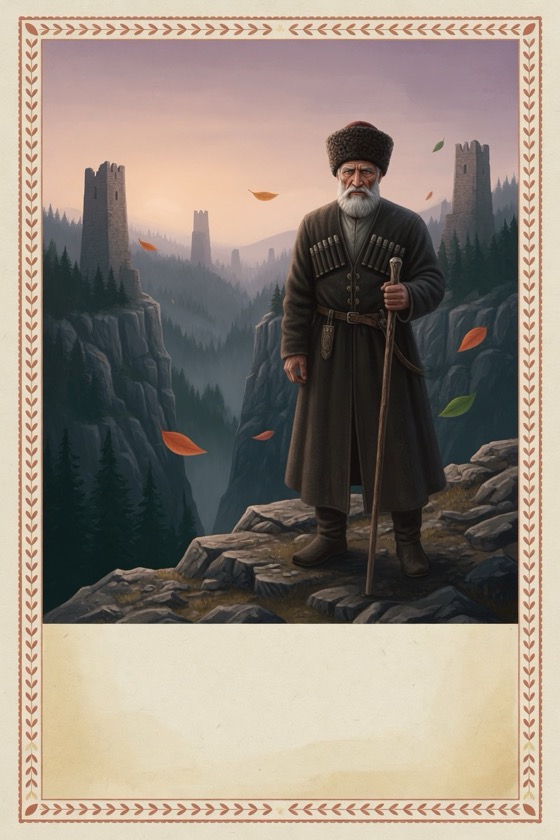 ხევისბერი გოჩა
Georgian
ხევისბერი გოჩა
Georgian
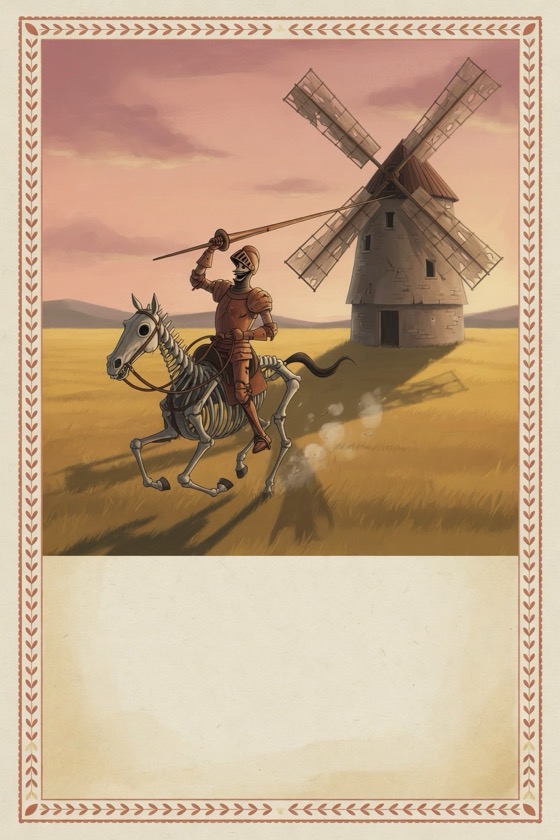 Don Quijote
Spanish
Don Quijote
Spanish
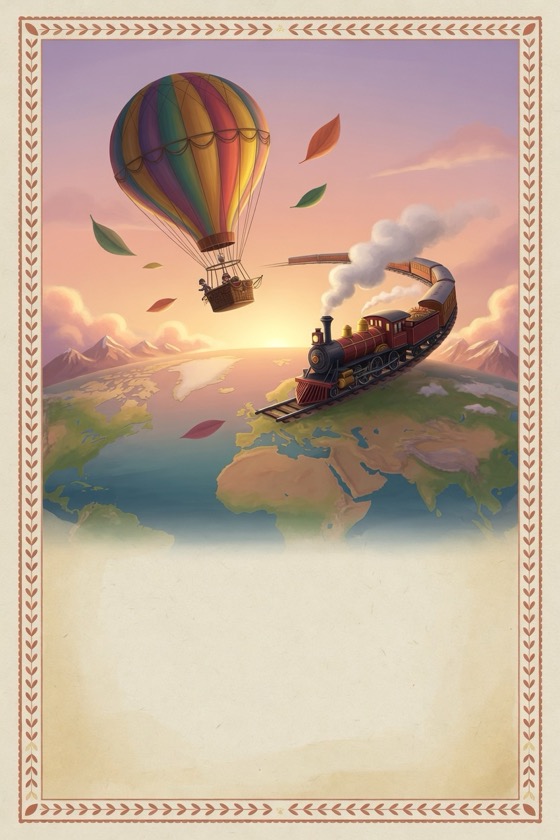 Le Tour du monde en 80 jours
French
Le Tour du monde en 80 jours
French
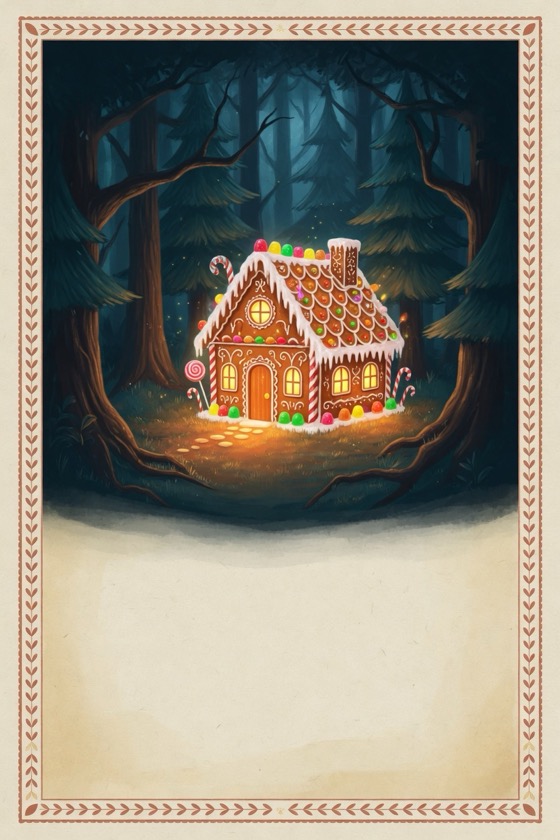 Hänsel und Gretel
German
Hänsel und Gretel
German
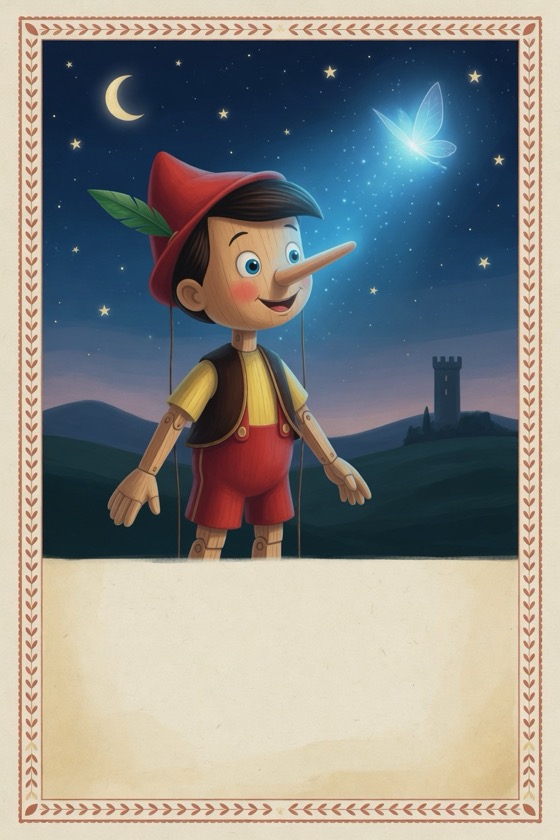 Pinocchio
Italian
Pinocchio
Italian
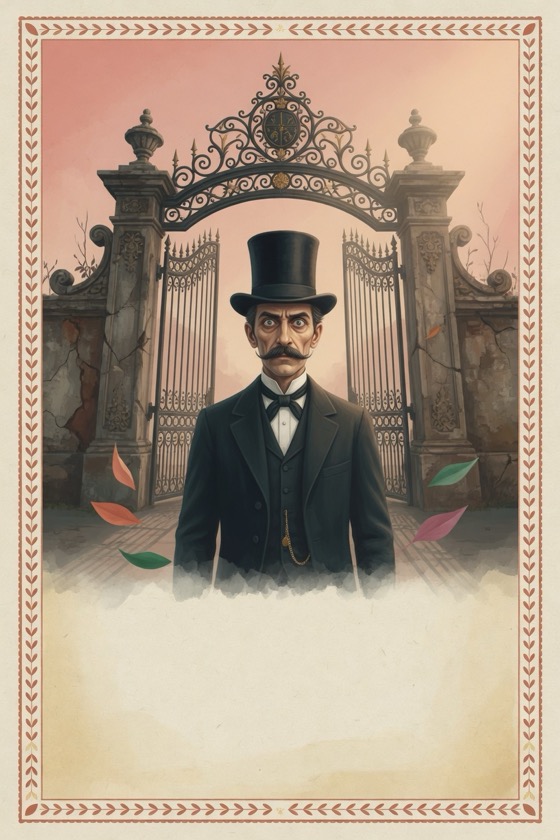 O Alienista
Brazilian Portuguese
O Alienista
Brazilian Portuguese
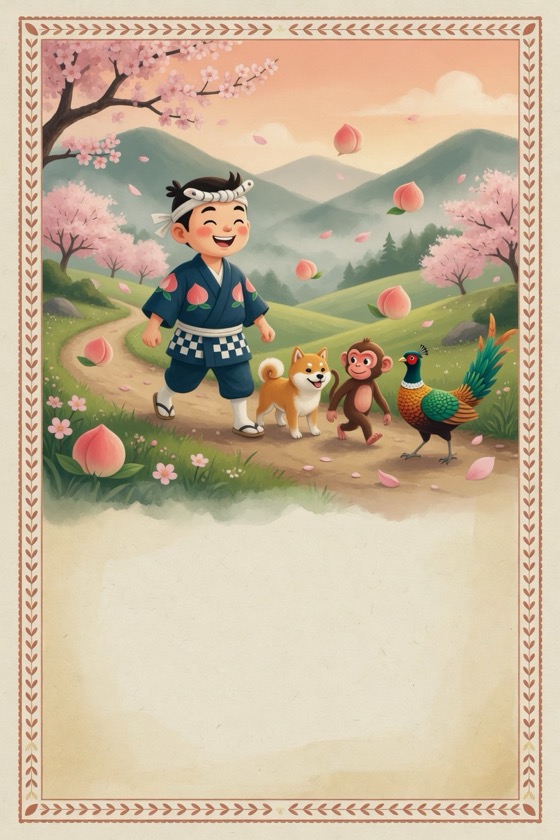 桃太郎
Japanese
桃太郎
Japanese
 홍길동전
Korean
홍길동전
Korean
 西游记
Mandarin Chinese
西游记
Mandarin Chinese
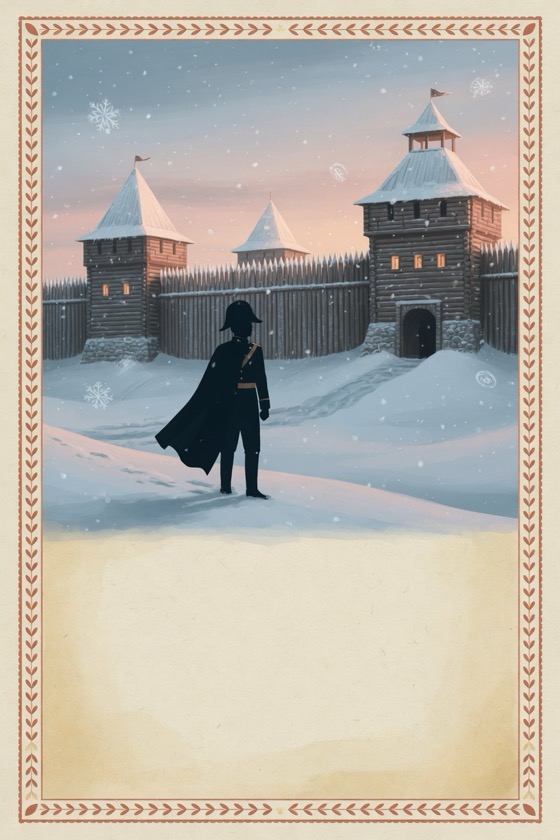 Капитанская дочка
Russian
Капитанская дочка
Russian
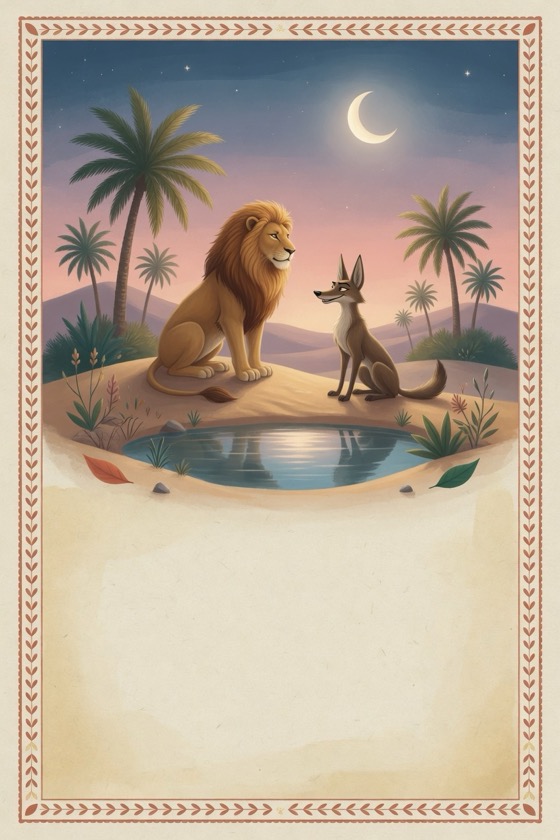 كليلة ودمنة
Arabic
كليلة ودمنة
Arabic
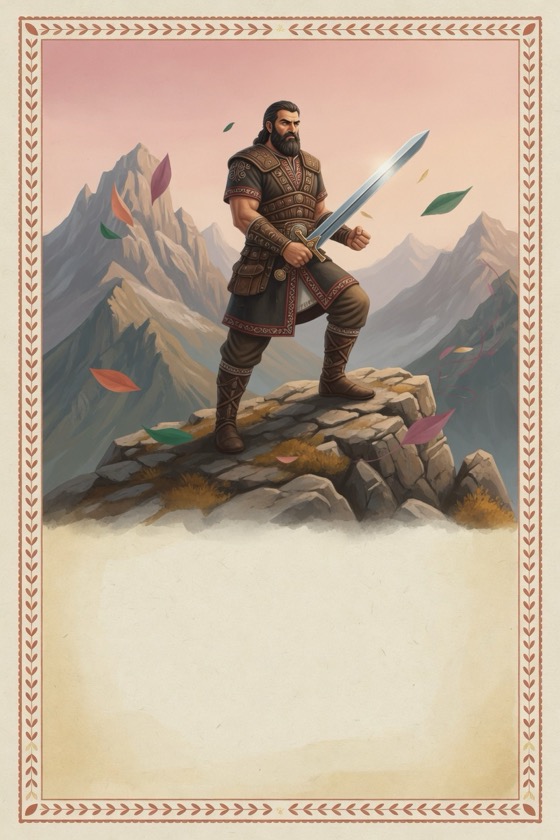 Սասունցի Դավիթ
Armenian
Սասունցի Դավիթ
Armenian
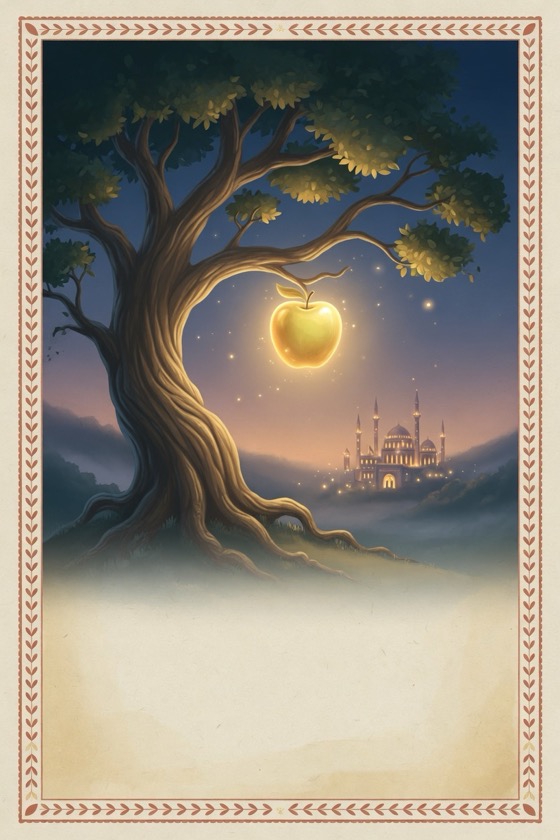 Məlikməmməd
Azerbaijani
Məlikməmməd
Azerbaijani
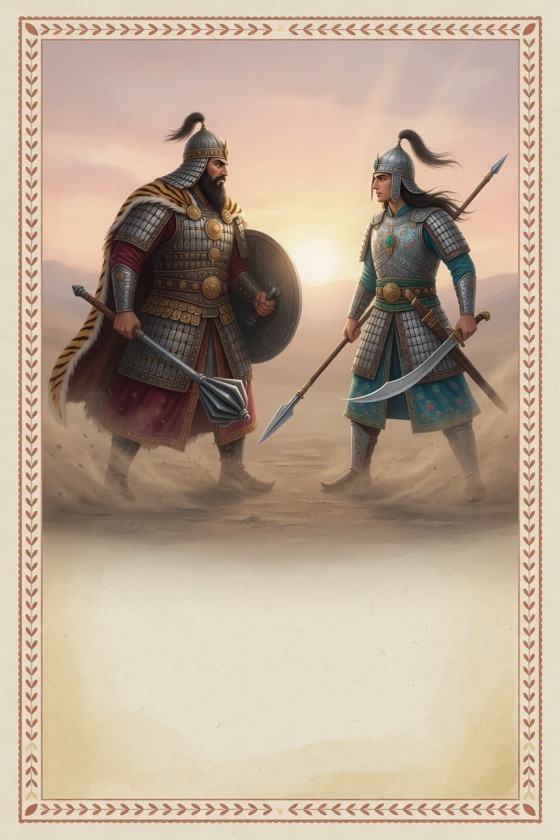 رستم و سهراب
Persian
رستم و سهراب
Persian
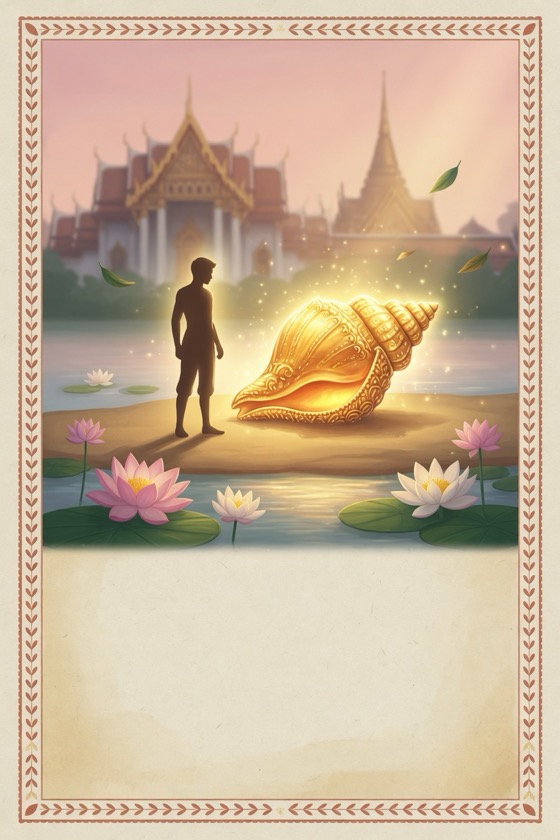 สังข์ทอง
Thai
สังข์ทอง
Thai
 Lục Vân Tiên
Vietnamese
Lục Vân Tiên
Vietnamese
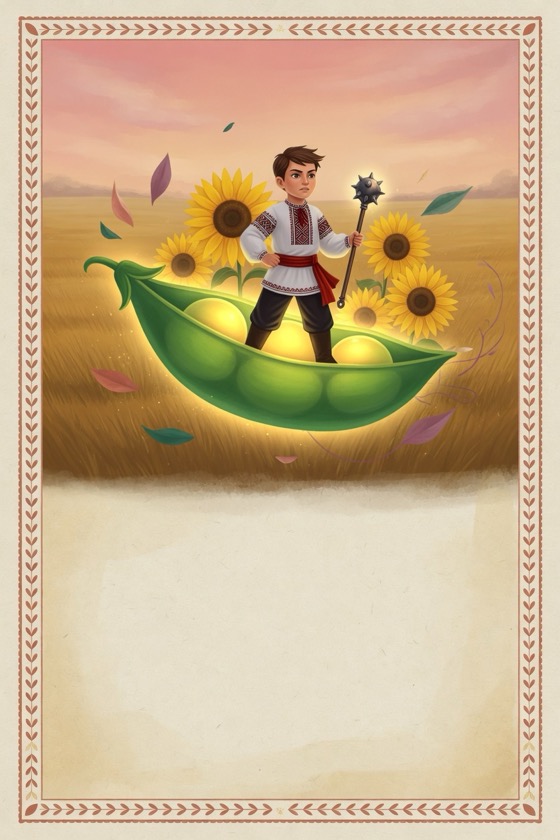 Котигорошко
Ukrainian
Котигорошко
Ukrainian
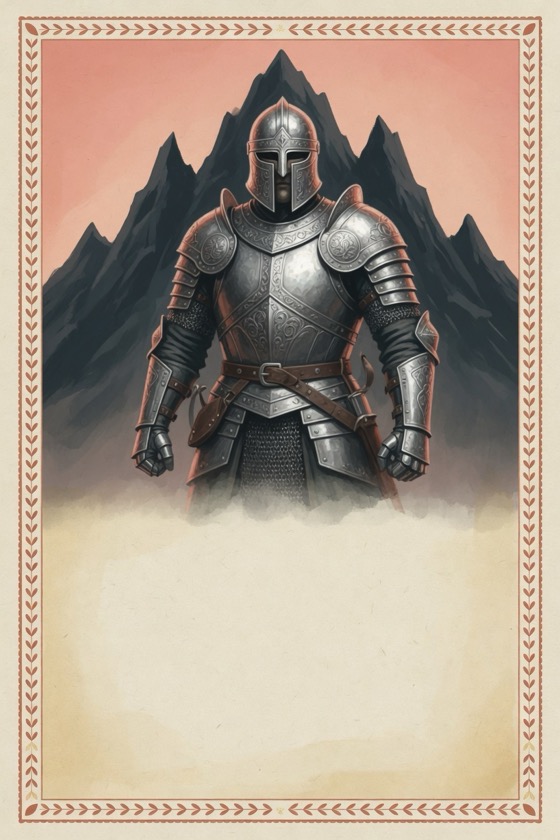 Баш Челик
Serbian
Баш Челик
Serbian
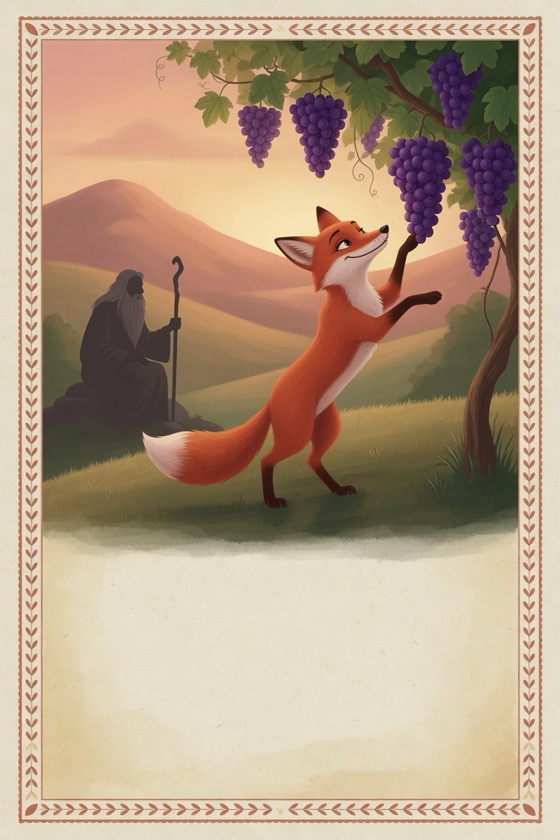 Ο Αίσωπος
Greek
Ο Αίσωπος
Greek
 יונה
Hebrew
יונה
Hebrew
 ვეფხისტყაოსანი
Georgian
ვეფხისტყაოსანი
Georgian
 კვაჭი კვაჭანტირაძე
Georgian
კვაჭი კვაჭანტირაძე
Georgian
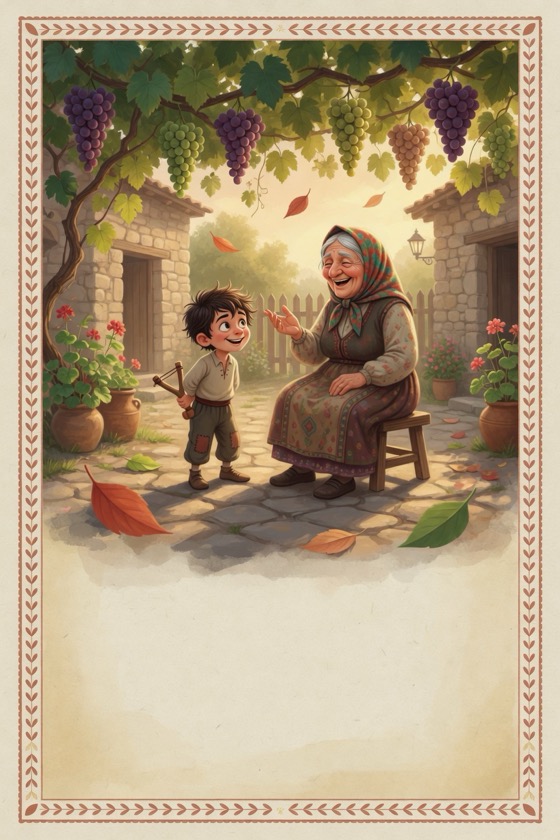 მე, ბებია, ილიკო და ილარიონი
Georgian
მე, ბებია, ილიკო და ილარიონი
Georgian
How it works
Reading is the method.
No drills, no streak guilt, no cartoon owl. You read real stories, and the app quietly removes everything that used to make that hard.
Tap any word
An instant gloss with romanization for every script — no dictionary detour, no losing your place in the story.
Tap a sentence
See the full translation only when you want it. Understanding stays a choice, not a crutch.
Watch your words add up
Every word you meet is counted. Once you've read it three times without tapping, it's yours — an honest “words known” number that grows chapter by chapter.
Read-along audio
Narrated books you can read along with.
- Natural narration on the narrated books — today the whole Chinese library and a Georgian classic, with more on the way.
- Karaoke highlighting. The word being spoken lights up as you read, so your ear and eye learn together.
- Your pace. Slow it to 0.5× while you're starting out, push past 1× when you're flying. Tap any sentence to replay it.
- Offline too. Download the audio with the book and listen anywhere.
The graded ladder
From your first word to real literature.
- Start at absolute zero. The first book assumes nothing — it opens with sentences a first-week beginner can read.
- Climb one notch per chapter. Each book is slightly harder than the last, so you're always reading at the edge of what you know — the comprehensible-input sweet spot.
- Finish with the classics. The top of every ladder is real, unabridged literature in the original language.
- Know your progress. A word counts as known after you've met it three times without looking it up — honest numbers from real reading.
Twenty languages
Pick your language. The first book is free.
Every language gets the same treatment: a graded ladder of real books, tap-to-translate, audio narration and vocabulary tracking.
Everything else you'd want
Serious tools, invisible until you need them.
Vocabulary that tracks itself
Every word you meet is remembered. Watch your “words known” count climb per language as you read — no flashcard sessions required.
Read-along audio
Narrated books (the Chinese library and more) highlight each word as it's spoken, with speed control and seek-by-sentence.
One-tap Anki export
Looked a word up? Send it — with its sentence, translation and romanization — straight to an Anki deck.
Import your own books
Bring any EPUB. ReadNative turns it into the same tappable, glossed reading experience, chapter by chapter.
Offline everything
Download catalog books — text, translations and audio — and read on a plane, in the metro, anywhere.
Every script, romanized
Georgian, Armenian, Thai, Arabic, Hebrew, CJK — tap glosses include romanization until you don’t need it anymore.
Try it in your browser
Read a real chapter right now.
Every word is tappable. No account, no download.
西游记Journey to the WestChapter 1 · ChineseDon QuijoteDon QuixoteChapter 1 · SpanishLe Tour du monde en 80 joursAround the World in 80 DaysChapter 1 · FrenchКапитанская дочкаThe Captain's DaughterChapter 1 · Russian桃太郎Momotaro, the Peach BoyChapter 1 · Japaneseხევისბერი გოჩაKhevisberi GochaChapter 1 · GeorgianFree for every learner
Tools and guides.
Questions
Fair questions, straight answers.
Is it free?
The first book in every language is completely free — no account, no card. A Pro subscription later unlocks the rest of each library.
How is this different from flashcards?
Flashcards teach words in isolation; stories teach them in context, with grammar and collocations attached. ReadNative tracks your vocabulary automatically while you read, so you get the measurable progress of an SRS without the grind. And if you love Anki, every book exports a ready-made deck.
Do I need to study grammar separately?
You can, but you don't have to start there. Graded stories introduce structures gradually and tap-to-translate shows you the meaning of whole sentences, so grammar patterns emerge from reading — the way they did in your first language.
What does “words known” actually measure?
A word counts as known once you've met it three times without looking it up. It's a conservative, honest measure based on your real reading — not on multiple-choice guesses.
Your first book is free. Start it tonight.
Download ReadNative, pick your language, and read your first chapter in the next ten minutes. Pro unlocks the whole library — every book, every language, one subscription.