🇸🇦 Arabic
Arabic graded readers: what to read at each level
Graded reading in Arabic is limited, and much of it is either fully vocalised children's material or textbook passages. Learners also face a split between Modern Standard Arabic, used in writing, and the spoken dialects. For reading, MSA is the right target: it is what books, news and signs use.
ReadNative's Arabic book is Kalila and Dimna, the classic animal fables retold in simple Modern Standard Arabic from absolute beginner to B1 over 38 chapters, with transliteration on tap. It is free, and you can read the first chapters free in your browser, tapping any word for its English meaning or any sentence for a translation.
Arabic graded readers on ReadNative
What to read at each level
A1
Nominal sentences, common nouns and a few verbs. The opening chapters of Kalila and Dimna — the king and the sage, the merchant's sons — are written for this.
A2
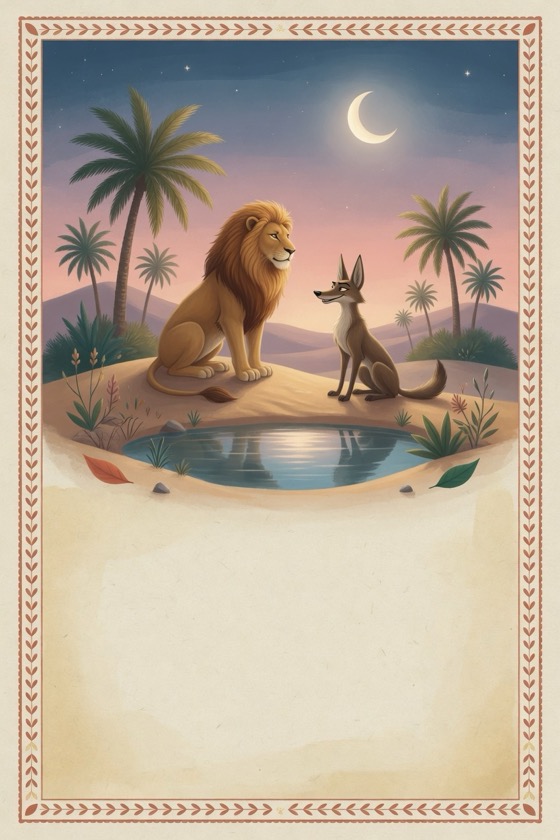
Past and present verbs, the dual and broken plurals in context. The fables of the lion king and the ox continue at this level.
B1
Longer sentences, relative clauses and more formal connectors. The later fables reach B1.
B2
News in Arabic, modern short stories and your own imported EPUBs. Expect unvocalised text throughout.
Not sure where you are? Take the Arabic vocabulary test or check a text with the difficulty checker.
Questions
Should I learn MSA or a dialect for reading?
MSA. Writing is almost entirely in MSA, and it is understood across the Arab world.
What is a graded reader?
A book written or retold with controlled vocabulary and grammar for a specific level, so a learner can read a whole story in Arabic with little dictionary use. The aim is lots of comfortable reading, not decoding.
Why are graded readers in Arabic so scarce?
The market is smaller and the script and vowelling make production harder. That is why ReadNative wrote a full graded retelling rather than relying on scattered texts.